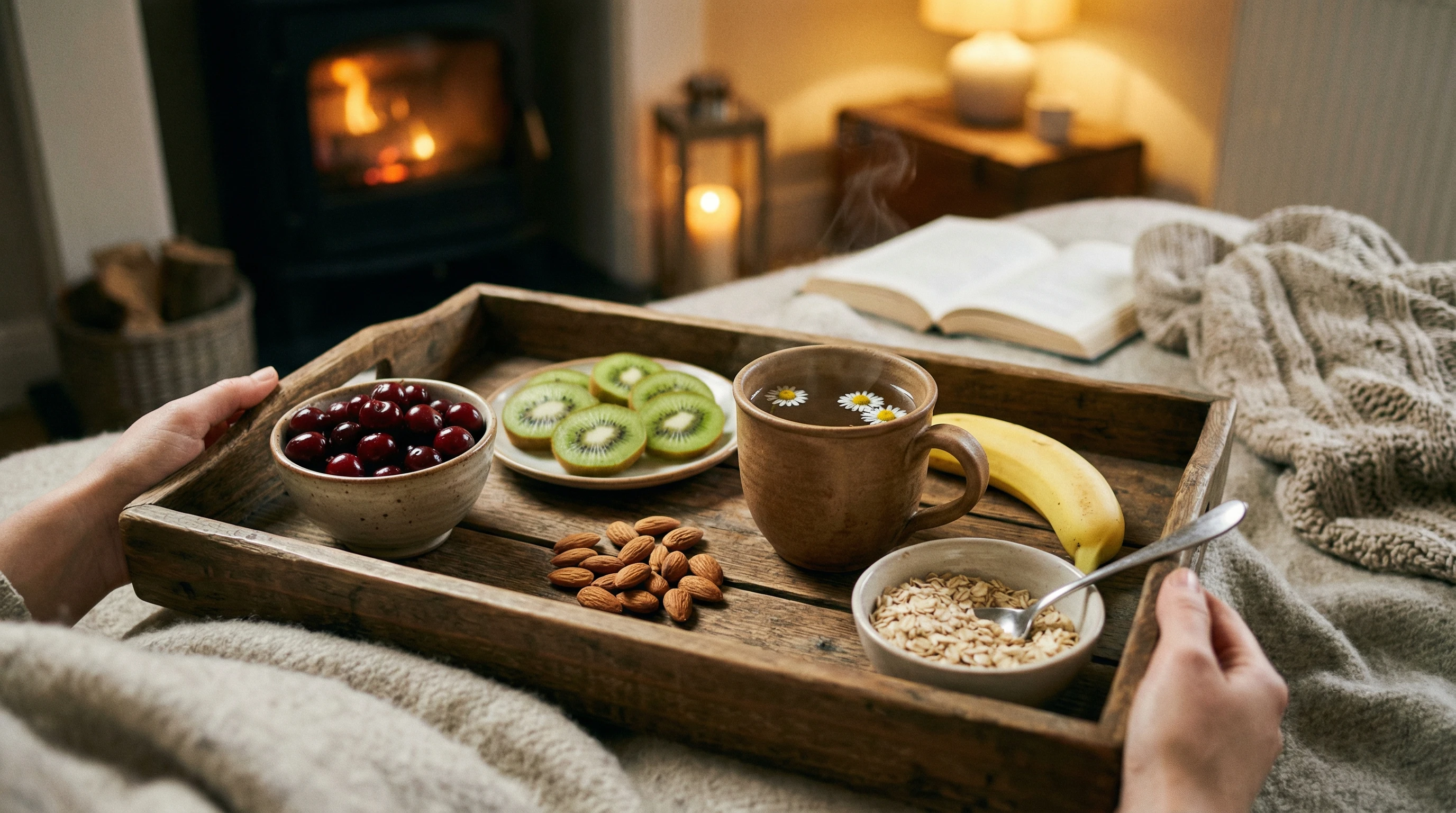
If you have ever tossed and turned at night, you probably know just how frustrating it can be to wake up feeling groggy or unrested. What you might not know is that what you eat before bed can make a real difference in how well you sleep. Certain foods include nutrients and chemicals that help your body wind down, while others might keep you up or cause restless sleep.
If you struggle with falling asleep, staying asleep, or just want to give a boost to your nightly rest, some simple changes to your evening snacks might help. I’ve researched the best foods for sleep and put together this practical guide to help you figure out what’s worth adding to your menu.
This article shows you which foods encourage better sleep, explains how they work, and gives easy, realistic ways to fit them into your evening routine.
Find Your Sleep Goals
Before reaching for a midnight snack, it helps to ask yourself what you want from your sleep. For some people, falling asleep faster is the real problem, while others wake up a lot during the night. Maybe you want to wake up without feeling like you’ve been hit by a truck, or just feel more refreshed after a few hours.
Questions to Help Set Your Goals:
- What frustrates me most about my sleep right now?
- Do I wake up during the night, or have trouble falling asleep?
- Does my energy fade during the day?
- What’s my current nighttime eating and drinking habit?
Common Healthy Sleep Goals:
- Fall asleep more easily and quickly
- Avoid waking up in the middle of the night
- Wake up feeling rested, not groggy
- Get longer stretches of deep, restful sleep
Knowing these answers can help you tweak your evening snacks and habits for real results, rather than just guessing.
Choose Sleep Friendly Foods
Certain foods are loaded with nutrients that settle both your brain and body, making sleep come easier. There’s no magic bullet, but research points to a few star players that help kickstart sleep in natural ways. The science of sleep nutrition is evolving quickly, and new research continues to show how food impacts our nightly rest.
Smart Choices for Better Sleep:
- Tart Cherries. These are one of the only natural food sources of melatonin, which is a hormone your body uses to regulate sleep rhythms. Drinking tart cherry juice or snacking on a handful of dried tart cherries in the evening is worth trying if you want to get sleepy sooner. Consuming tart cherries has also been shown in some studies to increase overall sleep time, possibly due to their antioxidant content.
- Bananas. Loaded with potassium and magnesium, bananas help relax muscles and nerves, helping your body and mind power down at bedtime. They also provide vitamin B6, which your body uses to make melatonin. The carbs in bananas may also help deliver tryptophan to your brain, making them a great sleep choice.
- Almonds or Walnuts. Both nuts offer magnesium, which supports deeper sleep and helps avoid tossing and turning. Walnuts even have a little natural melatonin, too. Aside from these key nutrients, nuts are also a satisfying way to curb late night hunger gently.
- Kiwi. This tangy fruit has been linked to falling asleep more quickly and sleeping longer, possibly because it’s packed with antioxidants and serotonin. Some people even report better sleep continuity and fewer nighttime awakenings after eating kiwi an hour before bed.
- Oats. Oats provide a steady, slow burning source of carbs along with melatonin. Eating a small bowl of oatmeal in the evening is both comforting and practical for sleep. Warm oats also help soothe your digestive system, which supports a restful night.
- Chamomile Tea. Made from dried flowers, chamomile contains an antioxidant called apigenin, which helps relax your brain and calm anxiety. It’s caffeine free, so sipping it before bed can be soothing. For centuries, people have used chamomile as part of sleepy time routines because of its calming effects.
- Turkey. Turkey contains tryptophan, an amino acid used to make serotonin and melatonin in the brain. It’s a solid late night protein in a small, lean serving (just skip bulky turkey sandwiches to avoid indigestion). Some like pairing turkey with wholegrains for extra sleep friendly balance.
Foods to Limit or Avoid:
- Chocolate (especially dark), which has caffeine and theobromine that may keep you alert.
- Hot peppers and heavy, spicy meals that can trigger heartburn or discomfort at bedtime.
- Soda and coffee. Even small amounts of caffeine in the afternoon or evening can delay sleep.
If you want to catch quality sleep, pay close attention to these foods and choose your evening nibbles carefully. Being mindful of your nighttime choices can mean fewer nighttime disruptions, more restful hours, and waking up with more energy. Sleep nutrition doesn’t have to be complicated—sometimes it’s about arranging ingredients already in your kitchen in a way that supports healthy rest.
Plan Your Evening Snacks Thoughtfully
Piling up on snacks right before you hit the sack doesn’t always help. In fact, overeating late at night can actually disrupt your sleep. The trick is to enjoy a light snack about an hour before bed to keep you from getting hungry overnight, but not so much that your body is busy digesting when you’re trying to sleep. Science shows a small snack can gently stabilize blood sugar and reduce nighttime wakeups from hunger.
Good Evening Snack Ideas:
- A cup of tart cherry juice or a small bowl of cherries plus a handful of almonds
- A small banana with a teaspoon of natural nut butter
- Low sugar oatmeal with chopped walnuts and a drizzle of honey
- Kiwi slices with a few pumpkin seeds
- A cup of chamomile tea and a couple of wholegrain crackers with a little turkey
The key is to keep your snack simple and not too big. High protein or high fat foods right before bed can slow down your digestion. On the other hand, super sugary or super salty foods might leave you dehydrated or wired.
Mix and match these snack ideas, and remember—it’s not just what you eat but when and how much that matters. Experimentation is your friend, so track which combinations make for a restful night and use them to build your evening routine over time.
Set Up a Smart Evening Food Routine
Your whole evening eating routine matters, not just the last thing you eat. If your dinners are huge, spicy, or full of caffeine and sugar, you’ll have a tougher time getting proper sleep no matter what you snack on later.
Tweaks That Help Me (and Might Help You):
- Finish big meals two to three hours before bed to give your stomach a break.
- Stick to water or herbal teas in the final hours before sleep. Caffeinated tea, coffee, and soda can stay with you for hours!
- If you get reflux or heartburn, avoid acidic or spicy foods in the evening.
- Create a steady routine. A small, nutritious snack at about the same time each night helps your internal clock.
- Keep the kitchen well stocked with a few proven sleep friendly options. Preparation ahead of time makes it easy to stick with your plan.
These evening routine tweaks are simple to implement and add up over days and weeks, making good sleep more predictable and sustainable.
When Foods Aren’t Enough: Balance Your Whole Sleep Routine
Sometimes, changing what you eat helps a lot. However, it’s also worth paying attention to the little stuff that goes hand-in-hand with food. Sleep is the result of a balance between nutrition, environment, habits, and stress management. Eating right is just one pillar; setting up a calm sleep space is equally important.
Extra Tips for Even Better Sleep:
- Keep your bedroom cool, quiet, and dark. It helps your body know it’s time to sleep.
- Put your phone away at least 30 minutes before bed. Blue light keeps your brain awake.
- Try relaxing activities at night, such as reading, light meditation, or a warm bath.
- Stick to a regular bedtime and wakeup schedule to train your body’s clock.
- Write down anxious thoughts before bed so your mind isn’t racing as you try to sleep.
Small environmental tweaks, mindful evening habits, and keeping electronics out of the bedroom all play a role in better sleep. Together with the right foods, these steps can give your nightly rest a serious boost.
Common Questions and Troubleshooting
What if I still feel wired even after I eat sleep promoting foods?
Sometimes stress or screen time is the real problem, not your diet. Try calming down your evening in general and see if that helps. The right food can only do so much! A quiet routine with soft lights and minimal distractions sets the stage for natural drowsiness.
Is drinking milk before bed good for sleep?
For some people, yes. Warm milk contains both tryptophan and calcium, which play a role in melatonin production. If lactose doesn’t bother you, there’s no harm in trying. Add a sprinkle of cinnamon for more comfort and relaxation.
How late is too late to eat at night?
It depends, but a light snack about one hour before bed works for most people. Steer clear of large meals within two hours of sleep. Everyone’s metabolism is unique, so experiment gently to see what timing feels best for your body.
Are there foods that actually make sleep worse?
Yes. Foods and drinks high in sugar, caffeine, or spice can mess with your process. Big, fatty meals or anything that gives you heartburn is best saved for earlier in the day. Notice how your body reacts to certain foods, and adjust accordingly for smooth, uninterrupted rest.
Practical Action Steps
Getting better sleep isn’t about following tough rules or buying fancy supplements. Small changes to your evening snacks and routines can stack up to real improvements over time.
Try This:
- Pick one or two sleep supporting foods and have them ready for your next evening snack.
- Set a snack time about an hour before your regular bedtime so it becomes a pleasant ritual.
- Notice how you feel in the morning. Track your sleep in a journal if you like patterns and want to spot improvements.
Experiment with different snacks, and try keeping your other evening habits simple and stress free. Over time, your quality of sleep might surprise you. Staying patient and consistent is the secret to seeing real progress—good sleep is a habit, not a fluke! Try out these food swaps, tweak your nighttime habits, and you might stumble upon a sleep routine that helps you wake up feeling truly rested.
To Your Good Health
Richard
Hello! I really enjoyed how clearly you explained the connection between food and sleep, and it makes me wonder where someone should start if they feel overwhelmed by all the options. Do you think it’s better to focus on just one or two sleep-friendly foods at first, or is it more effective to adjust the whole evening routine right away? I’m also curious whether certain foods tend to help more with staying asleep rather than just falling asleep.
Hi Aly Thank you so much for your thoughtful comment — it genuinely means a lot to me. ???? I know how overwhelming it can feel when there’s so much information out there, so I really appreciate you taking the time to sit with this and ask such a meaningful question.
If someone is feeling unsure about where to begin, starting small is such a gentle and doable approach. Even adding just one or two sleep-supportive foods can make a real difference, and it’s a lot kinder on the mind than trying to change everything at once. Little steps add up, and they build confidence along the way.
As for staying asleep versus falling asleep, you’re absolutely right — different foods can support different parts of the sleep cycle. Things like magnesium-rich foods (almonds, pumpkin seeds, bananas) tend to help with staying asleep because they calm the nervous system through the night. Foods higher in tryptophan or calming carbs can be especially helpful for winding down and falling asleep.
But truly, whatever feels manageable is the perfect place to begin. There’s no “right way,” just what supports you in a loving and sustainable way. If you ever want help sorting through options or building a little evening routine, I’m always here for you. ????????
With Gratitude
Much Love
Richard